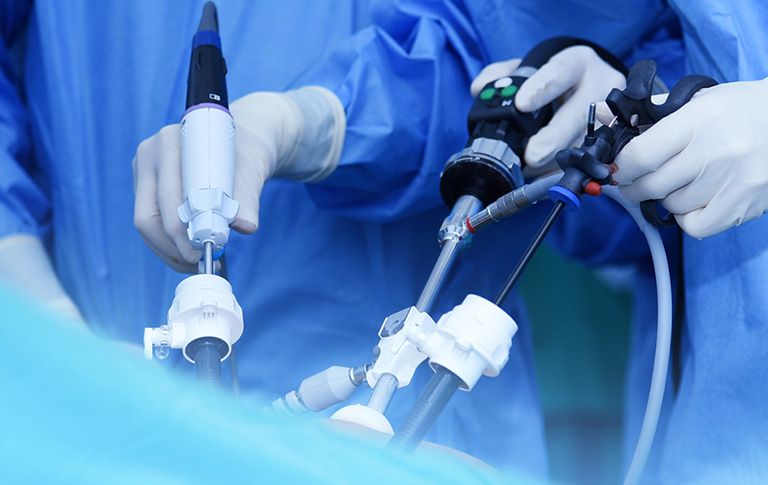
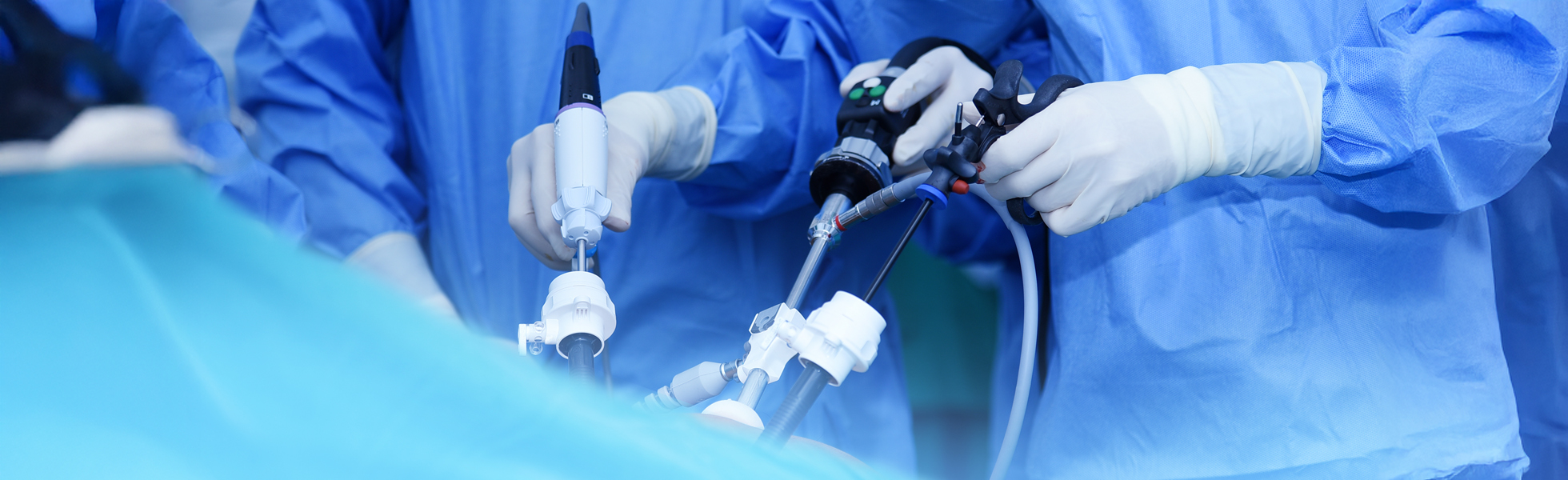
Laparoscopy, also known as keyhole surgery, is a minimally-invasive technique that can be used to both diagnose and treat a range of conditions affecting the reproductive organs in women. As a firm believer in the superiority of minimally invasive approaches, Dr Reyftmann has developed extensive expertise and experience in this keyhole technique. He strongly recommends laparoscopy over the older laparotomy method, which involves larger incisions and open abdominal surgery.
Laparoscopy has a wide range of applications across multiple fields of medicine. It can be used to diagnose underlying causes of pelvic or abdominal pain, to examine cancerous tissue, remove a fibroid, or, as is Dr Reyftmann’s specialty at IRML, to diagnose and treat causes of female infertility.
At Illawarra Reproductive Medicine and Infertility, laparoscopy surgery is commonly used for:
Laparoscopy is performed under general anaesthetic. Depending on the extent of the surgery, you may be allowed to return home on the same day after you’ve recovered in the hospital for a few hours, or Dr Reyftmann may ask you to stay as an in-patient for a couple of nights.
The incisions (cuts) made in your belly are very small, typically no longer than 1cm and sometimes even shorter. These incisions allow Dr Reyftmann to insert the laparoscope, a long thin tube with a light and camera at the end. This gives him a high-definition view of what’s happening inside your abdomen and pelvis on the connected screen, allowing him to confirm his diagnosis. If you’re undergoing laparoscopy as a treatment, additional incisions may be needed to insert other instruments to perform the surgery, such as taking a biopsy or removing abnormal tissue. After the procedure is done, you’ll have stitches and a dressing applied over the incision sites.
After your laparoscopy procedure, Dr Reyftmann and his clinical team will provide you with a detailed set of post-operative instructions to help make your laparoscopy recovery time as uncomplicated as possible. This includes when you can return to your normal activities, how to take care of your incision wounds, and what you can do to manage any pain.
Because laparoscopy is a keyhole procedure, it is much less disruptive and traumatising to the body compared to open surgery approaches, such as a laparotomy. Compared to conventional open surgery, laparoscopy is associated with:
This is not to say that laparoscopy doesn’t come with risks of complications as it is still a surgical procedure. Possible complications include excessive bleeding from the incisions, infection, formation of blood clots in your legs or lungs, complications related to the anaesthesia, or unintentional damage to pelvic or abdominal structures. The risk of complications with laparoscopy is considered to be very low overall, ranging from 0.2 to 2% depending on factors such as the skill of the surgeon, your age and health, and the complexity of the procedure.
