
Platelet-rich plasma (PRP) is a fertility treatment that is typically used alongside other assisted reproductive technologies such as IVF. Dr Reyftmann offers PRP only for certain cases where other conventional first-line treatments have not been successful.
Platelet-rich plasma is a product developed from your own blood. Blood consists of several components, including red blood cells, white blood cells, plasma, and platelets.
Platelets contain important growth factors with some amazing properties. When applied to the ovaries, these biological compounds can improve blood flow through the formation of new blood vessels, promote the proliferation and development of cells, and reduce the rate of normal cell death. Subsequently, your ovarian follicle growth is improved, as is the quality of your eggs. PRP can also be used to support your endometrium (the lining of the uterus).
Similar to the normal procedure of drawing blood such as if you were having a blood test, our clinic nurse will take a sample of blood from your arm. PRP is only ever developed from the patient’s own blood.
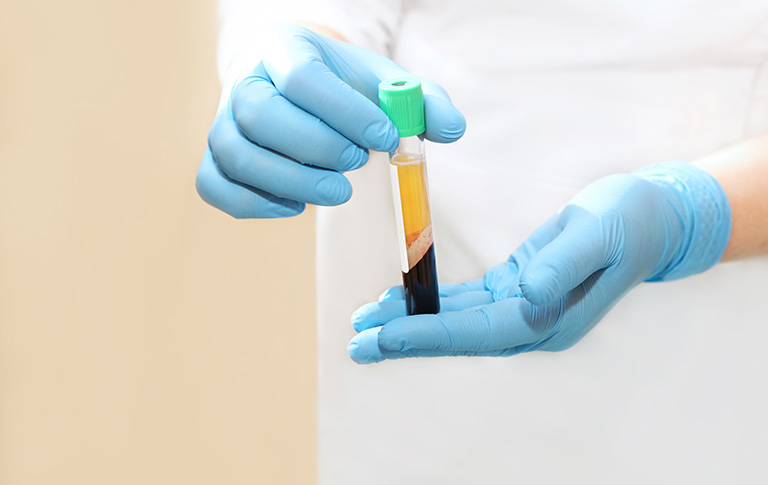
For PRP therapy, we’re interested in the platelets (and their growth factors). Placing your blood sample into a centrifuge separates the different blood components based on density so that we can skim off the unwanted layer of red blood cells. This leaves behind platelets, white blood cells, and plasma. Further processing results in a high concentration of platelets in a small volume of plasma, ready for use.
Dr Reyftmann uses a long, thin tube called a catheter to inject the PRP treatment into your uterus through your cervix. This is a quick and painless procedure, though may be associated with some minor discomfort. You shouldn’t need to take any additional time away from your typical activities after the procedure. The PRP can also be injected directly in the ovary with a thin needle under anaesthesia or sedation, and you will have to take one day off.
Platelet-rich plasma is not currently widely offered in fertility medicine. More studies are needed to demonstrate its effectiveness in infertility, but the results so far are very promising and there is extremely little risk associated with this therapy. PRP is rarely offered as a first-line therapy but more as an additional treatment to support another assisted reproductive technology like IVF.
PRP may be suitable if you have:
