

At Illawarra Reproductive Medicine and Laparoscopy, our first step toward achieving your family-building goals is usually through assessing how we can maximise your chances of natural conception. This aligns with Dr Reyftmann’s philosophy of a stepwise approach toward fertility treatment – he starts with the simplest, least invasive therapies first.
The whole concept of reproduction is very complicated with a lot of factors that need to fit together in order to conceive. This includes needing to have functional reproductive organs (among other anatomical structures, this includes ovaries, fallopian tubes, and uterus for women; the testicles, vas deferens, and urethra for men); the hormone (endocrine) system needs to be sending the right hormone signals at the right time; the sperm produced by the male partner need to be robust enough for the fertilisation process; you need to have intercourse at the right time; and everyone needs a bit of luck on their side.
Though lifestyle therapies do not guarantee a healthy pregnancy and live birth (and nor can any other fertility treatment), they can significantly improve your chances. In addition to making it more likely that you will conceive naturally, if you do need to progress to assisted reproductive technologies such as IVF or IUI, the right lifestyle choices will increase the likelihood of success of these treatments.
Discover more about the different aspects of lifestyle therapies and fertility-friendly choices below.
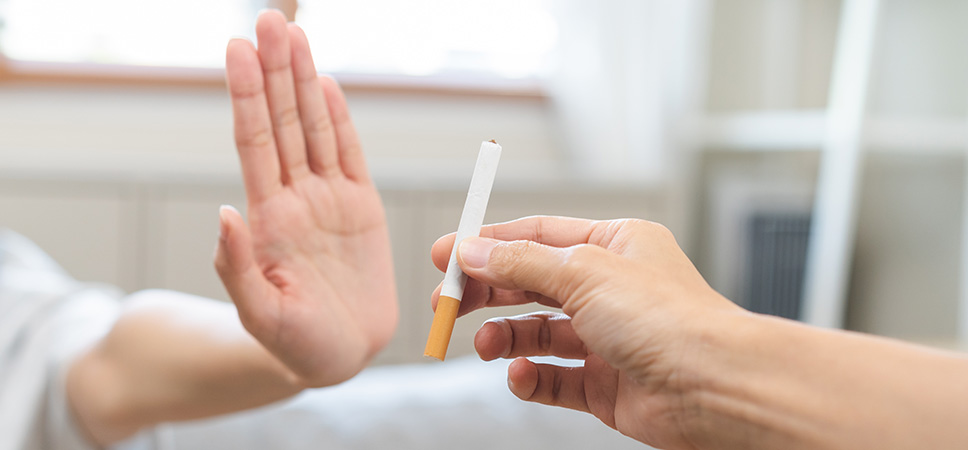
Quitting smoking has far-reaching effects when it comes to not only your fertility but also pregnancy and your baby’s health. For men who smoke, it can take at least three months to overcome the negative effects of cigarettes on your fertility.
Research has demonstrated that men who smoke are more likely to experience erectile dysfunction, one of the causes of male infertility. Tobacco smoking can also cause DNA damage, which is then passed on to the embryo through his sperm.
Women who smoke tend to take longer to fall pregnant and are at a higher risk of complications, including miscarriage and ectopic pregnancy (a dangerous condition when the fertilised egg implants anywhere other than the womb). Dr Reyftmann can provide some resources and point you to support groups that will help you to quit smoking.

Though moderate alcohol intake is not considered harmful to your health in general, it can impact your chances of falling pregnant. Both men and women can improve their fertility and reduce pregnancy complications through minimising their alcohol intake or abstaining completely.
Heavy alcohol consumption (2-4 standard drinks per day) in men has been linked to reduced testosterone production, low libido, and erectile dysfunction. The effect on alcohol on sperm quality and quantity is dose-dependent, meaning even a low to moderate alcohol intake can have a negative impact on your fertility.
Many women are already aware of the effects of alcohol consumption during pregnancy – it increases the risk of miscarriage and stillbirth, and can result in an irreversible congenital condition known as foetal alcohol syndrome. However, drinking alcohol while you’re trying to conceive is linked to infertility by upsetting your hormones and ovulation, which makes it difficult to have intercourse at the right time of your cycle for successful conception. If you need help managing your alcohol intake, Dr Reyftmann can provide resources to support you.

Nutrition plays a huge part in many aspects of human health, and your reproductive health is no different. The right foods can improve your fertility while too much of the wrong foods can hinder it.
There is no one particular diet that is considered to be the ultimate fertility diet. However, many of the recommendations for nutrition that support healthy fertility are included in the Mediterranean dietary pattern. This includes whole grains, seafood, more poultry and less red meat (such as beef and pork), fresh fruits and vegetables, and omega-3 oils (found in oily fish, flaxseed, and certain nuts). Diets high in these foods and low in processed and fast foods are associated with improved sperm quality, reduced inflammation throughout the body (important especially in the case of conditions such as PCOS and endometriosis), and a shorter time to falling pregnant.
Dr Reyftmann also recommends a folic acid supplement for women who are trying to conceive. Though this may not have a significant influence on achieving a pregnancy, it’s a crucial nutrient for healthy foetal development.
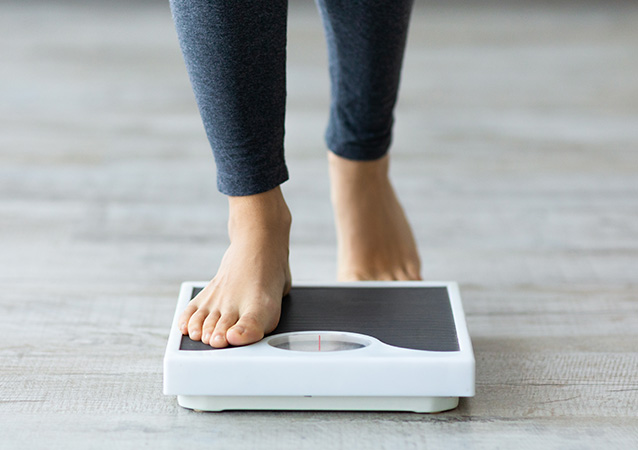
Body weight can be a sensitive topic for many people, both men and women. But when it comes to improving your natural fertility, maintaining your weight within the recommended range is a factor that should be considered.
Obesity and being overweight are known to induce inflammation and disturb the delicate balance of hormones in both men and women. Being either underweight or overweight also disrupts normal ovulation in women and can cause menstrual disorders, while obesity is linked to erectile dysfunction in men.
Maintaining your body weight within the normal body mass index (BMI) range improves sperm count and quality in men, reduces the effect of polycystic ovary syndrome on fertility in women, and also reduces the risk of pregnancy complications once you do conceive. If you do need to progress to assisted reproductive technologies such as IVF, being within the recommended weight range will improve your chances of success here, too.
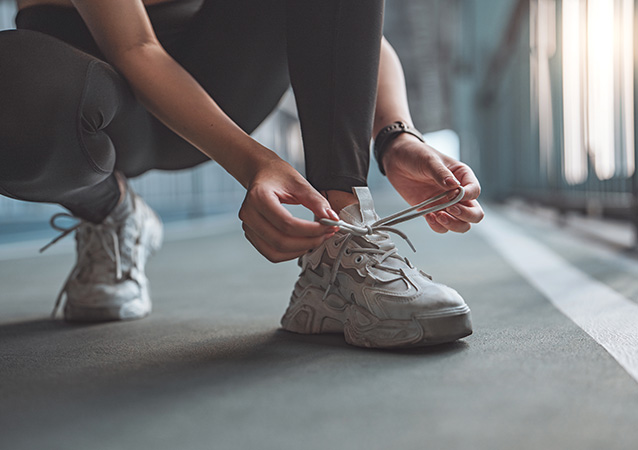
Exercise plays a role in improving fertility in both men and women but it’s important to avoid overdoing it. In addition to supporting your reproductive health, physical exercise can also help with your mood, reducing some of the anxiety and depression that can often be associated with the infertility journey.
Dr Reyftmann recommends physical activity in line with the Australian guidelines – at least half an hour of moderate-intensity exercise (such as brisk walking, swimming, mowing the lawn) and at least 15 minutes of vigorous exercise (jogging, aerobics, or a high intensity sport) on most days of the week. Getting into a routine of regular exercise improves your natural fertility through supporting you in keeping your body weight within a healthy range.
If you’re a woman with a normal body mass index (BMI), be mindful that too much vigorous intensity exercise can have negative effects on female fertility due to the imbalance of energy input (food intake) versus expenditure (exercise). Excessive high intensity physical activity can interfere with normal ovulation, making conception more difficult. Dr Reyftmann will be able to provide personalised advice on this depending on your current fertility situation.
Dr Reyftmann believes in helping couples to increase their chances of falling pregnant naturally before considering more intensive fertility treatments such as IVF or IUI. Even if these lifestyle measures do not result in you conceiving naturally, they will still have a positive impact on the chances of pregnancy through assisted reproductive technologies.
